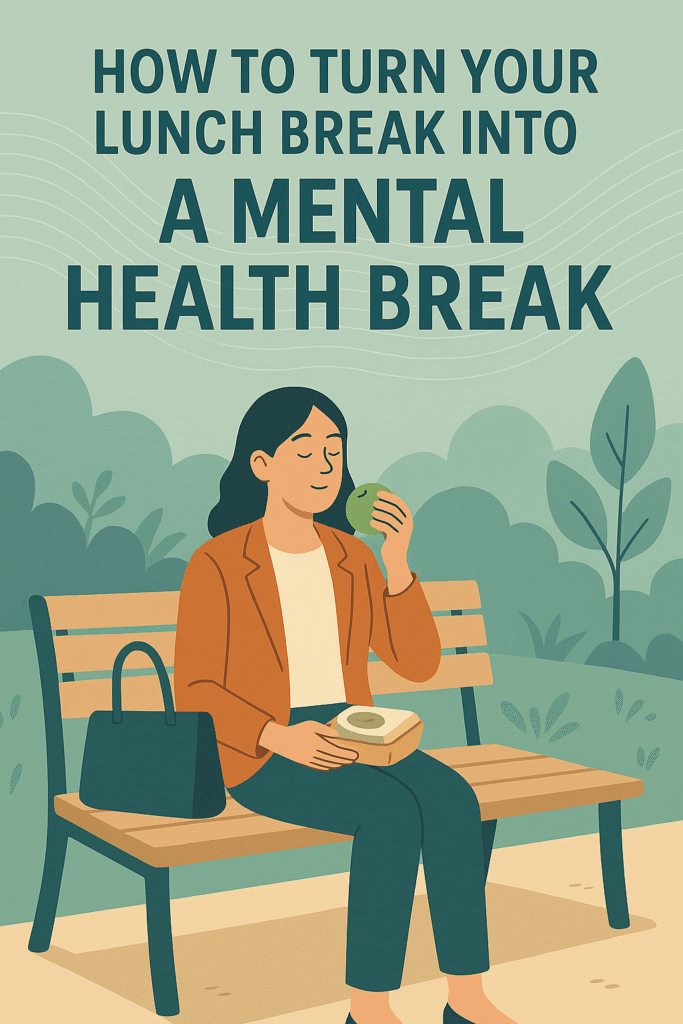
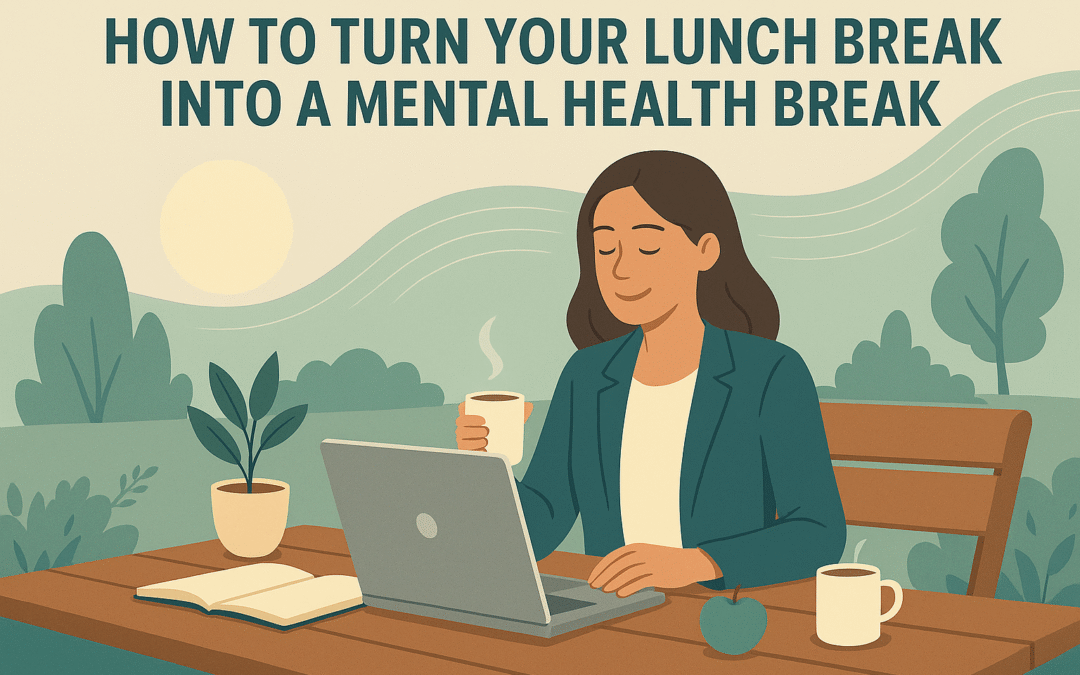
Modern workdays are more stressful than ever, but a mental health lunch break can be your daily reset button. Instead of rushing through a sandwich at your desk, learn how to turn your lunch break into a sanctuary for your mind and body. With the right approach, you can reclaim your midday moments, boost your productivity, and support your mental well-being—all in under an hour.
The Science Behind Mental Health Lunch Breaks
Research consistently shows that regular breaks, especially lunch breaks, are not just a luxury—they are a necessity for mental health and productivity. When you step away from your workspace, your brain gets a chance to reset, which reduces stress and improves focus for the rest of the day.
Studies reveal that taking a mental health lunch break can:
- Increase productivity and creativity
- Improve job satisfaction
- Lower stress and prevent burnout
- Enhance overall well-being
Even short breaks can consolidate memories and help you learn better. If you’re constantly pushing through without pausing, you’re more likely to experience decision fatigue and reduced motivation by the afternoon. A midday break allows your mind and body to recharge, leading to a more energized and effective afternoon.
According to the American Psychological Association, taking meaningful breaks throughout the day plays a vital role in preventing burnout and managing stress levels. A dedicated lunch break can be the foundation for better emotional regulation and long-term resilience.
What Most People Do Wrong on Their Lunch Break
Despite the benefits, many people misuse their lunch breaks. It’s common to see colleagues eating at their desks, multitasking with emails, or scrolling through their phones. This habit keeps your mind tethered to work, robbing you of the restorative power a true mental health lunch break can provide.
Instead, experts recommend physically moving away from your workspace. Whether you eat by a window, have a picnic in your living room, or take a stroll outside, the key is to separate your break from your work environment. This intentional shift helps your mind disengage from work-related stress and recharge for the afternoon.
Common Mistakes to Avoid
- Working through lunch or staying at your desk
- Consuming stressful media during your break
- Overeating or skipping meals entirely
Avoiding these patterns and creating a routine that prioritizes calm, nourishment, and mindfulness is key to maximizing your midday pause.
Walking Meditations: Reset Your Mind and Body
One of the most effective ways to refresh your mind is through walking meditation. This practice combines gentle movement with mindful awareness, making it perfect for a mental health lunch break.
How to Get Started:
- Choose a quiet route, indoors or outdoors.
- Walk slowly, paying attention to each step.
- Focus on the sensation of your feet touching the ground.
- If your mind wanders, gently bring it back to your breath or footsteps.
Just 10–15 minutes of walking meditation can lower anxiety, boost mood, and help you return to work with greater clarity. If you’re new to meditation, try guided walking meditations from reputable apps or resources like Mindful.org.
Bonus Tip:
Pair your walk with gentle stretching before or after to relieve physical tension. Even a few minutes of stretching during your walk can increase circulation, reduce fatigue, and elevate your mood.
No-Phone Lunches: Reclaim Your Attention
Our phones are constant sources of distraction and stress. During your mental health lunch break, make it a rule to leave your phone behind or silence notifications. This simple act helps you reclaim your attention and break the cycle of digital overload.
Strategies for a Phone-Free Break:
- Set an alarm to signal the start of your break, then put your phone out of reach.
- Let coworkers know you’re unavailable during this time.
- Engage in activities that don’t involve screens, like reading, drawing, journaling, or simply enjoying your meal.
You may be surprised by how much calmer and more present you feel after a no-phone lunch. Screen-free breaks can also improve sleep quality, reduce stress hormones, and help your eyes recover from digital strain.

Journaling for Mental Clarity and Emotional Health
Journaling is a powerful tool for processing thoughts and reducing stress. During your mental health lunch break, spend a few minutes writing about your day, your feelings, or what you’re grateful for.
Benefits of Journaling:
- Clarifies your thoughts and emotions
- Reduces anxiety and overwhelm
- Boosts creativity and problem-solving
You don’t need to write a novel. Even a few sentences can help you gain perspective and reset your mindset for the afternoon. Prompts like “What am I feeling right now?” or “What’s one positive thing that happened today?” can guide your reflection and make journaling a habit you look forward to.
Mindful Eating: Nourishment Meets Mindfulness
Mindful eating transforms your lunch from a rushed necessity into a nourishing ritual. During your mental health lunch break, focus on the experience of eating:
How to Eat Mindfully:
- Notice the colors, textures, and smells of your food.
- Chew slowly and savor each bite.
- Put down your utensils between bites.
- Pay attention to feelings of hunger and fullness.
Mindful eating not only improves digestion but also helps you feel more satisfied and less stressed. By tuning into your senses, you anchor yourself in the present moment and give your mind a much-needed pause.
A 2020 review in the journal Appetite found that mindful eating reduces stress and enhances emotional well-being. Practicing awareness during meals can break emotional eating cycles and improve your relationship with food.
Creating a Ritual That Feels Like Self-Care
Consistency is key to making your mental health lunch break a lasting habit. Create a daily ritual that you look forward to, whether it’s a short walk, a favorite meal, or a few moments of quiet reflection.
Ritual Ideas:
- Set a recurring calendar reminder for your lunch break
- Use a special mug or favorite dish for your meals
- Practice gratitude or set intentions for the rest of the day
- Include a brief breathing exercise to signal the start of your break
These small but powerful touches create positive associations with your break, helping it feel restorative rather than rushed.
Other Ideas to Enhance Your Mental Health Lunch Break
If you want to explore even more ways to turn your lunch into a full self-care session, try integrating one of these:
- Listen to calming music or nature sounds
- Do a short breathing or visualization exercise
- Try an aromatherapy diffuser near your eating space
- Read a few pages of a fiction book to mentally escape work
These strategies reinforce your break as a true escape from work stress—recharging your mind so you can finish the day strong.
Internal and External Resources
Want to learn more about workplace well-being? Visit our post on Simple Mindfulness Exercises to Boost Focus & Reduce Workplace Stress.
To explore more science on mindfulness and emotional wellness, check out the National Institute of Mental Health.
Conclusion: Start Your Midday Reset Today
Don’t let your lunch break slip by unnoticed. With intention and a few simple practices, your midday pause can become a cornerstone of your mental health routine. Step away from your desk, put down your phone, and give yourself permission to rest.
Even just 20–30 minutes a day of mindful pause can improve your focus, reduce burnout, and leave you feeling more in control of your workday. Make your mental health lunch break a non-negotiable—and feel the difference in your mood, energy, and performance.